People have traveled to Tulum for a thousand years to ask for what they could not get at home.
There was a walled city on the cliff two miles from where you will be staying. What is now called Tulum, the Maya once called Zamá, City of the Dawn, because it faces east and catches the sun at dawn, before anywhere else on this coast.
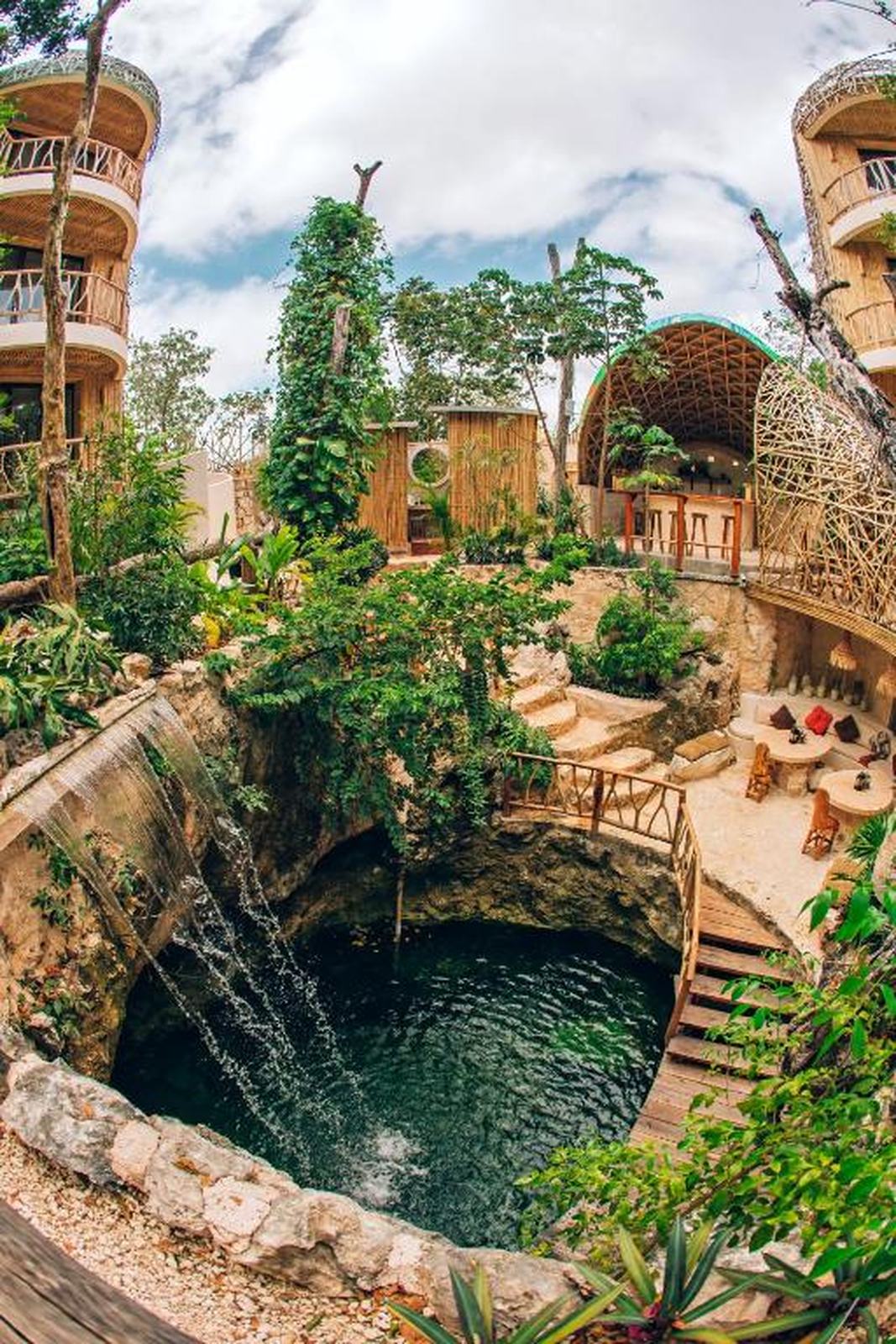
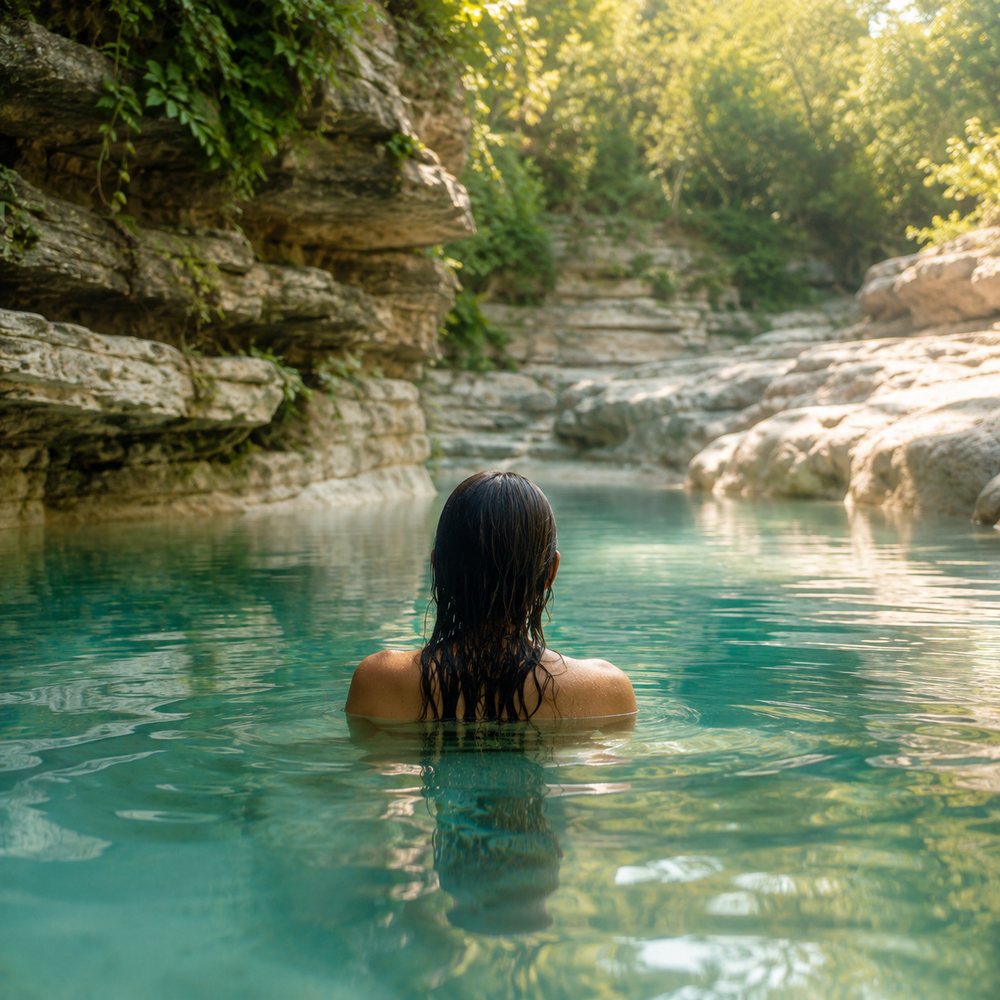
The Yucatán is unlike almost anywhere else on Earth. Beneath its porous limestone lies a vast network of crystal-clear freshwater. When rain falls here, it doesn’t become rivers. It slips underground, hidden until the limestone above collapses and reveals it to the sky. The Maya called these sacred places ts’ono’ot. Today, we know them as cenotes.
It’s a fitting reminder that some of life’s most extraordinary places aren’t found on the surface. They reveal themselves only when we’re willing to slow down, look a little deeper, and discover what has been there all along.
People walked for days to reach these cenotes. For fresh water, and to ask for what they needed. Rain. A harvest. A child. Help… But you can be here in just a few hours.
Image slot 02The cenote at eye level. Light coming through the water.4:5 portrait